
Long-term monitoring of Ziphius cavirostris behavior using 3D tracking from fixed hydrophone arrays off Southern California.
Scientific Reports. 2025.
15: 40859 (2025)
More details
Collapse details
Date Published:
- November 19, 2025
Vessel strike encounter risk model informs mortality risk for endangered North Atlantic right whales along the United States east coast.
Scientific Reports. 2025.
736 (2025). https://doi.org/10.1038/s41598-024-84886-z
More details
Collapse details
Date Published:
- January 3, 2025
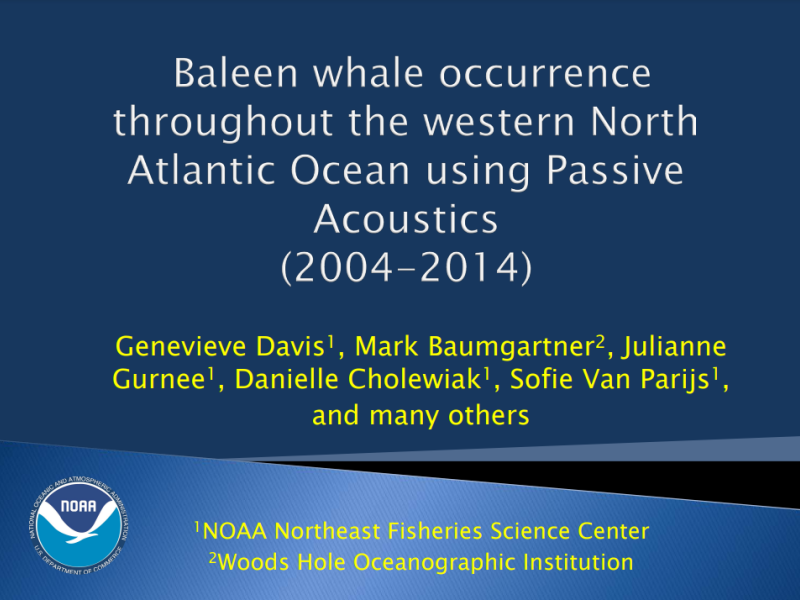
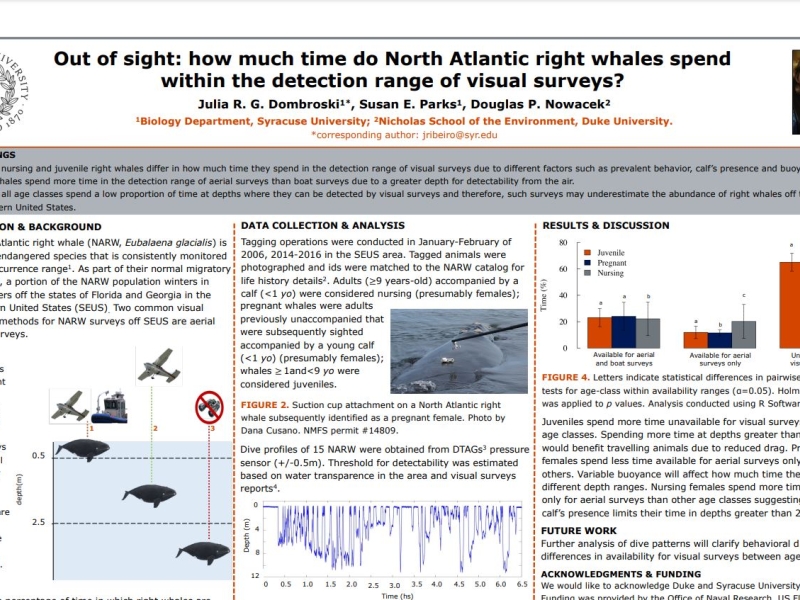
Long-term passive acoustic recordings track the changing distribution of North Atlantic right whales (Eubalaena glacialis) from 2004 to 2014.
Scientific Reports. 2017.
7:13460
More details
Collapse details
Date Published:
- October 18, 2017
More details
Collapse details
Date Published:
Publication:Ocean:Region:Methods:
- May 13, 2025
Passive acoustic monitoring (PAM) is a key technology for studying marine mammal populations. PAM typically generates large volumes of data that contain signals from multiple overlapping sources. To extract meaningful information from these data, automated tools are required that can cope with multiple sources, missed detections, and false alarms. This paper presents the Multiple-Animal Model-Based Acoustic Tracking (MAMBAT) framework, which integrates model-based localization with Bayesian multi-target tracking to automatically track multiple sound sources using acoustic data from wide baseline arrays. MAMBAT leverages a “Track-before-Localize” strategy followed by a “Localize-then-Track” strategy that does not require detection, classification, or association steps. The framework’s effectiveness is demonstrated through application to real-world datasets that contain multiple sperm whales from two ocean basins. MAMBAT advances our ability to monitor marine mammal distribution, abundance, and behavior, with potential to provide valuable information for conservation and management efforts.
Hidden Markov models reveal complexity in the diving behaviour of short-finned pilot whales.
Scientific Reports. 2017.
7:45765
More details
Collapse details
Date Published:
Publication:Ocean:Region:Species:Methods:
- March 31, 2017
Diving behaviour of short-finned pilot whales is often described by two states; deep foraging and shallow, non-foraging dives. However, this simple classification system ignores much of the variation that occurs during subsurface periods. We used multi-state hidden Markov models (HMM) to characterize states of diving behaviour and the transitions between states in short-finned pilot whales. We used three parameters (number of buzzes, maximum dive depth and duration) measured in 259 dives by digital acoustic recording tags (DTAGs) deployed on 20 individual whales off Cape Hatteras, North Carolina, USA. The HMM identified a four-state model as the best descriptor of diving behaviour. The state-dependent distributions for the diving parameters showed variation between states, indicative of different diving behaviours. Transition probabilities were considerably higher for state persistence than state switching, indicating that dive types occurred in bouts. Our results indicate that subsurface behaviour in short-finned pilot whales is more complex than a simple dichotomy of deep and shallow diving states, and labelling all subsurface behaviour as deep dives or shallow dives discounts a significant amount of important variation. We discuss potential drivers of these patterns, including variation in foraging success, prey availability and selection, bathymetry, physiological constraints and socially mediated behaviour.
Complete
Assessment of Marine Mammal Vocal Response to Sonar
Project Objectives
Develop analytic methods to evaluate the vocal response of odontocetes and mysticetes to sonar from navy training activities
Complete
Autonomous Real-Time Passive Acoustic Monitoring of Baleen Whales for Mitigating Interactions with Naval Activities
Project Objectives
Demonstrate near real-time passive acoustic detection and classification hardware/software systems
Current
Mid-Atlantic Nearshore & Mid-shelf Baleen Whale Monitoring
Project Objectives
Assess occurrence, habitat use, and baseline behavior of baleen whales in the mid-Atlantic region
Complete
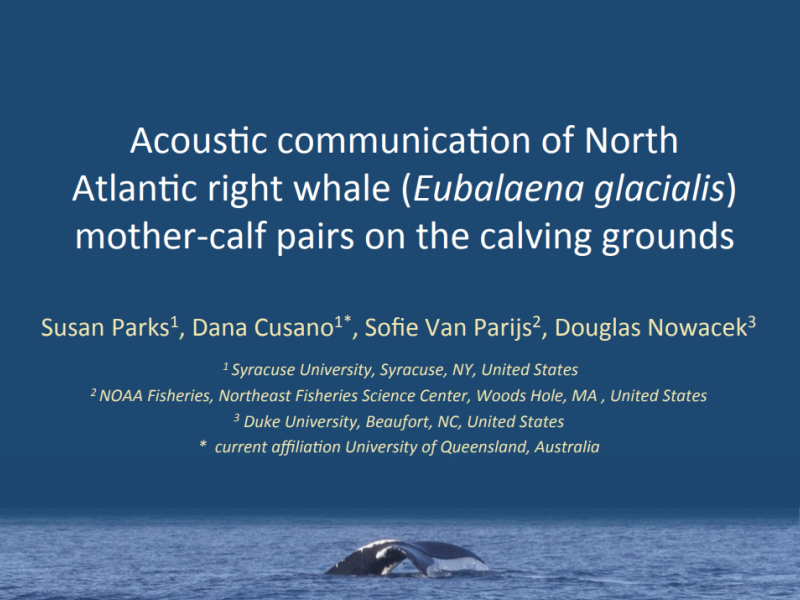
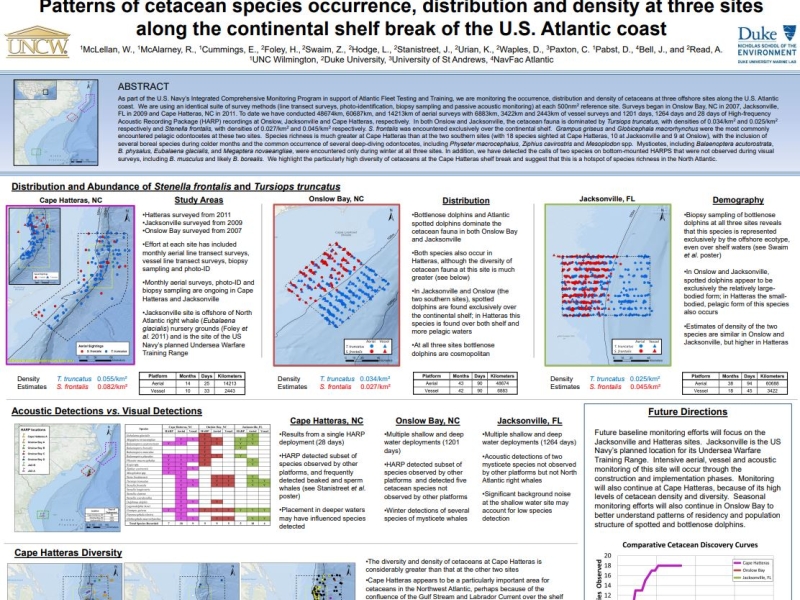
North Atlantic Right Whale Monitoring in the Southeast Calving Area
Project Objectives
Assess behavior of right whales in coastal waters of the Southeast calving grounds, including rates of travel of individuals, dive behavior, and rates of sound production
Current
North Atlantic Right Whale Monitoring, Conservation, and Protection
Project Objectives
Assess occurrence, habitat use, and behavior of North Atlantic right whales in the mid-Atlantic region
Current
Passive Acoustic Monitoring for Mid-Atlantic Baleen Whales
Project Objectives
Monitor large whale occurrence in the Mid-Atlantic
Complete
Passive Acoustic Monitoring for North Atlantic Right Whales off Cape Hatteras, North Carolina
Project Objectives
Investigate the timing of right whale migration through the Mid-Atlantic region, as well as the relative distance from shore and acoustic behavior of migrating whales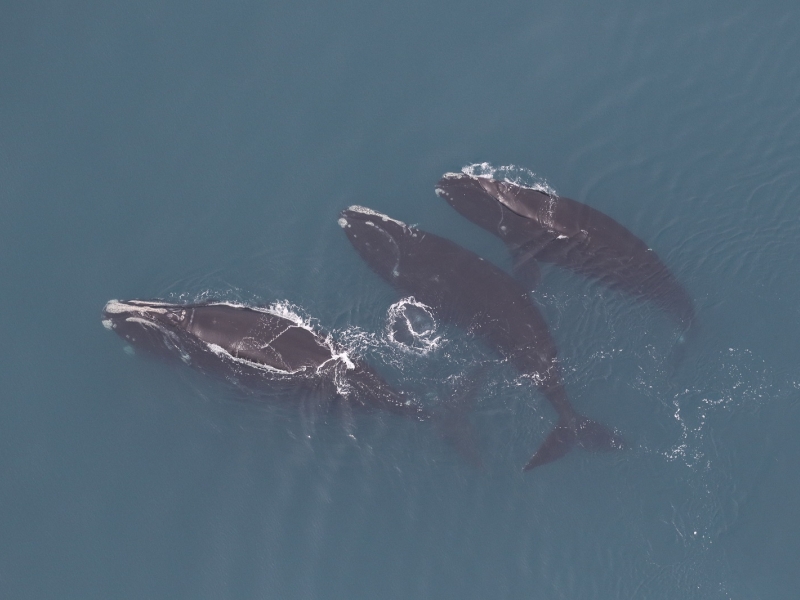
2024-2025 Large Whale Season Summary
March 24, 2025
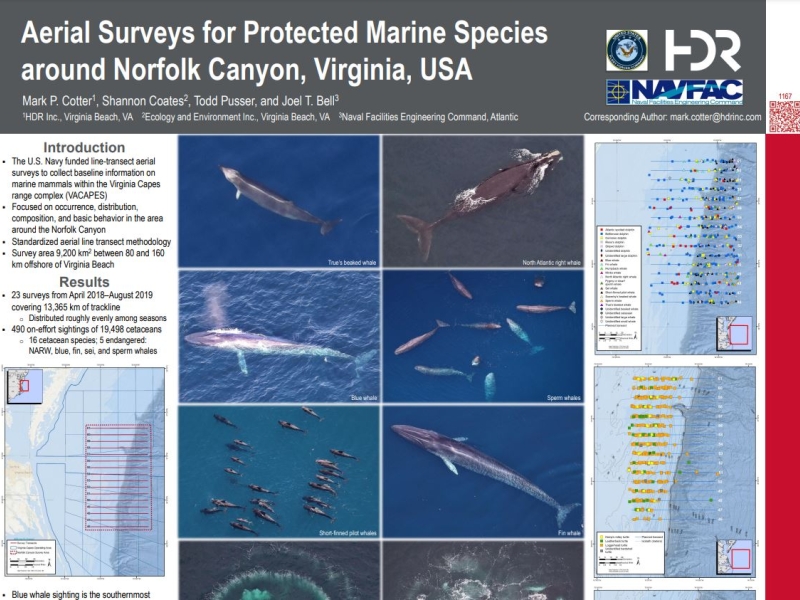
We have two separate efforts focusing on cetaceans off the coast of Virginia. The first is our Offshore (Outer Continental Shelf) Cetacean Study, which focuses primarily on deep diving odontocetes like sperm whales. The second effort is our Nearshore and Mid-Shelf Baleen Whale Monitoring Project.
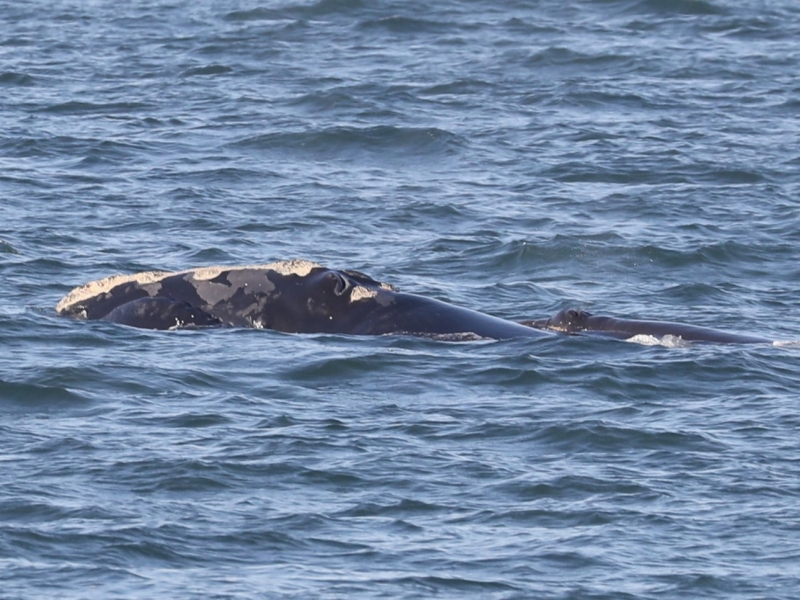
Right whale calf sighted off Virginia!
December 20, 2024
On December 18, 2024, during a survey off Virginia Beach, researchers from HDR Inc. and NAVFAC LANT observed North Atlantic right whale #4540 with her first known calf. This sighting is notable as it's the earliest recorded instance of a newborn right whale calf in Virginia waters, suggesting a possible shift in calving locations northward from the typical areas off Florida and Georgia.
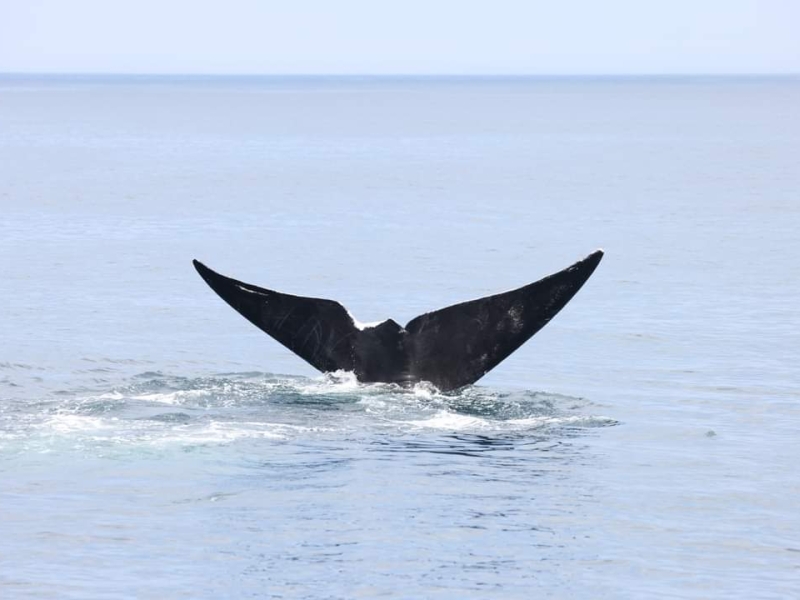
Whales of Summer
June 10, 2024
In the mid-Atlantic, baleen whale sightings typically occur during the colder months, with peak activity in December and January. Sightings of humpback and right whales usually decrease by late March through April. While occasional baleen whale sightings, particularly of fin whales, happen during warmer months, large groups are uncommon as summer approaches. Pelagic surveys during this time often focus on odontocetes like sperm whales and beaked whales.
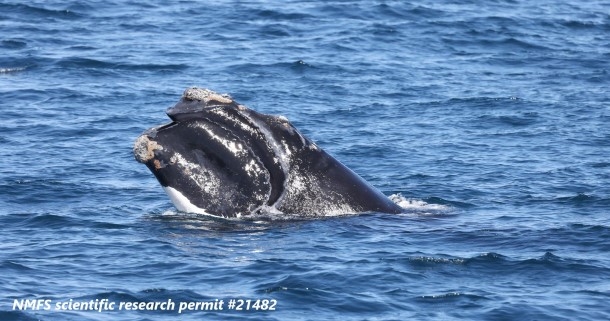
New Right Whale Calf Seen Off Virginia!
June 3, 2024
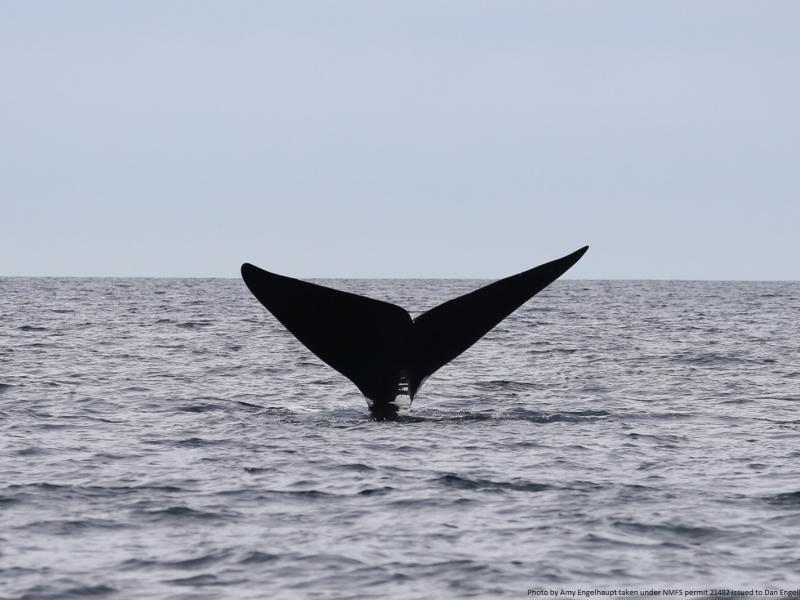
On Saturday 01 June 2024 during one of our offshore surveys 60 miles southeast of Virginia Beach, we encountered North Atlantic right whale Pico (Catalog #3270) and her calf!
Large Whale Action in the Mid-Atlantic
January 30, 2024
After a relatively slow start to the 2023-2024 large whale season, things are picking up here in the Mid-Atlantic. Last week was the busiest we’ve had so far this season for several of our projects as well as adjacent colleagues.
It’s Whale Season in the Mid-Atlantic!
November 20, 2023
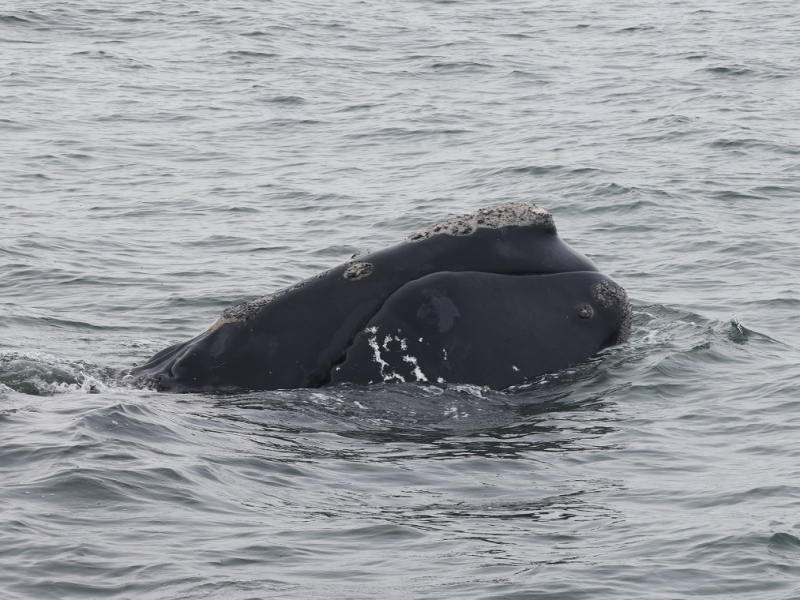
Baleen whale season has started in the mid-Atlantic and we have several projects in the region studying their occurrence and behavior.
Coming full circle – right whale mom returns with calf
March 15, 2023
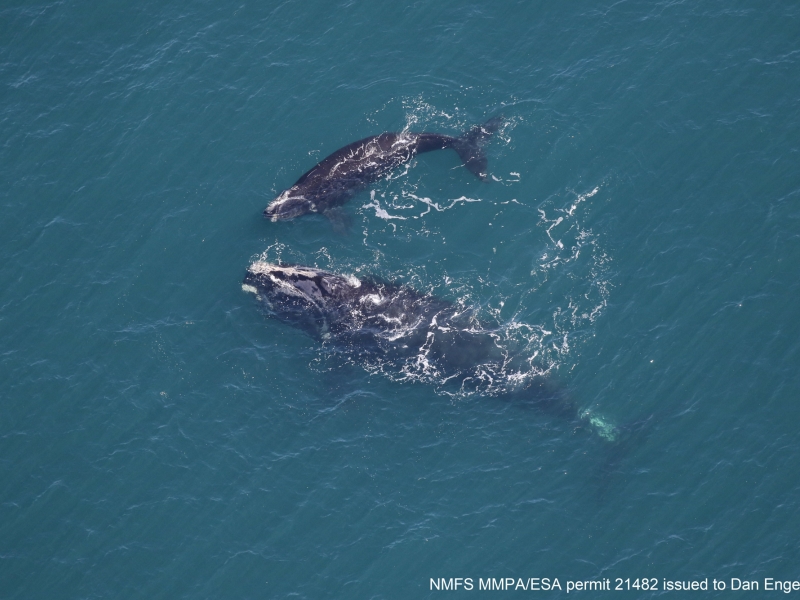
Previously CATS tagged Right whale "Smoke" is sighted again in VA with a calf.
Right Whale Party in the Mid-Atlantic
February 4, 2023
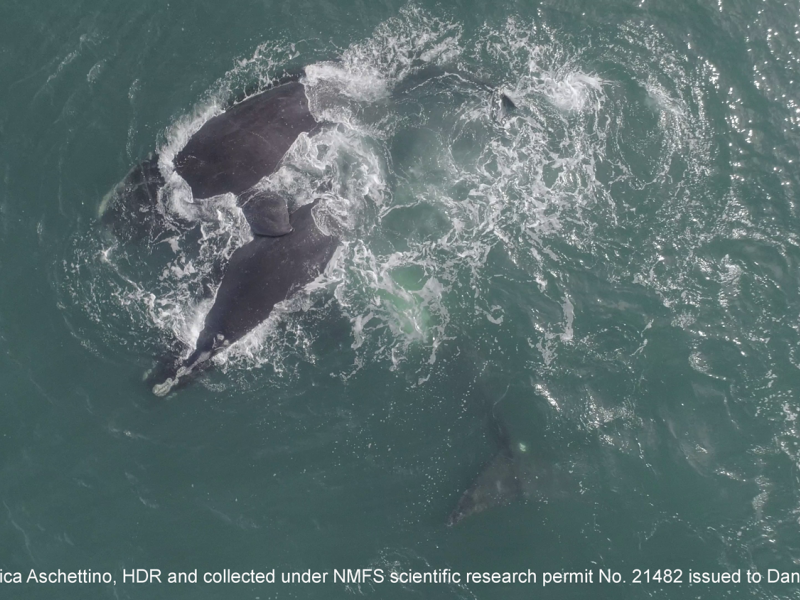
A Surface Active Group of North Atlantic right whales off the coast of Virginia.
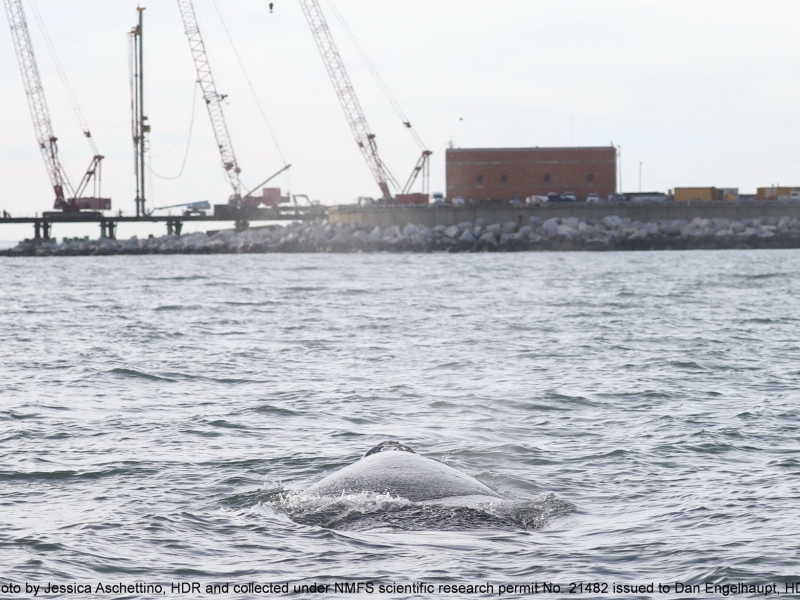
An Urban Whale
February 3, 2023
A juvenile North Atlantic right whale finds itself in a busy area.
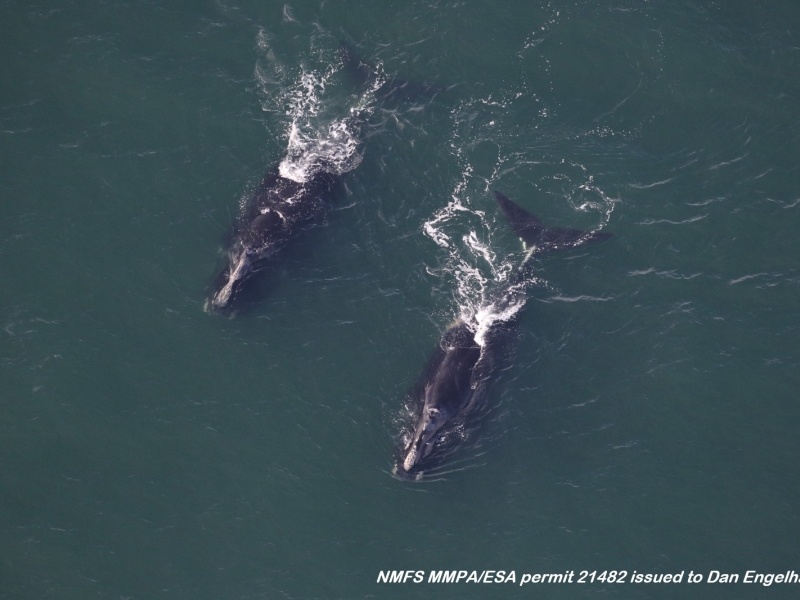
Right whales are on the move!
November 23, 2022
Two female right whales were sighted off Virginia during their southbound migration.
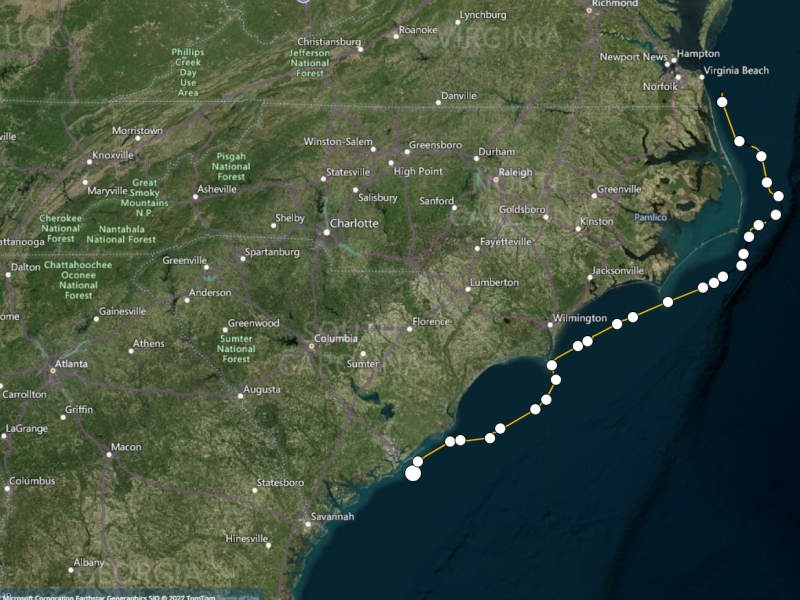
NARW tagged off VA Beach!
March 2, 2022
A yearling right whale was tagged off Virginia.
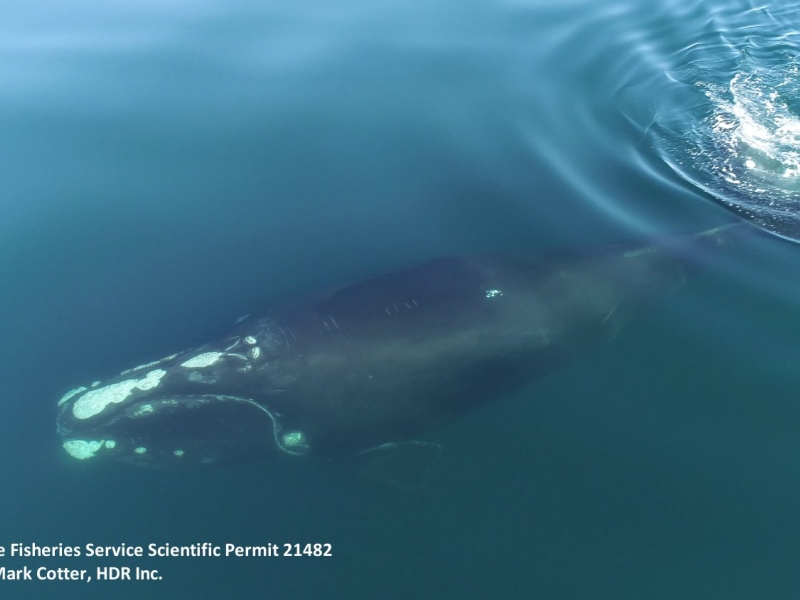
Tracking an endangered North Atlantic right whale
March 15, 2021
A yearling right whale was tagged off the coast of VA and tracked for 12 days.
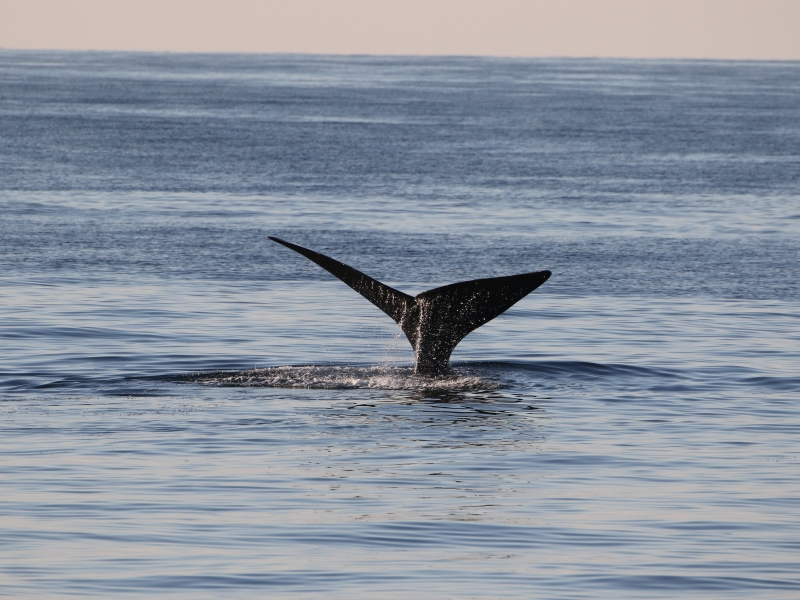
Fantastic video of an encounter with North Atlantic right whales off the coast of Virginia Beach
January 27, 2021
Footage of three right whales off Virginia.
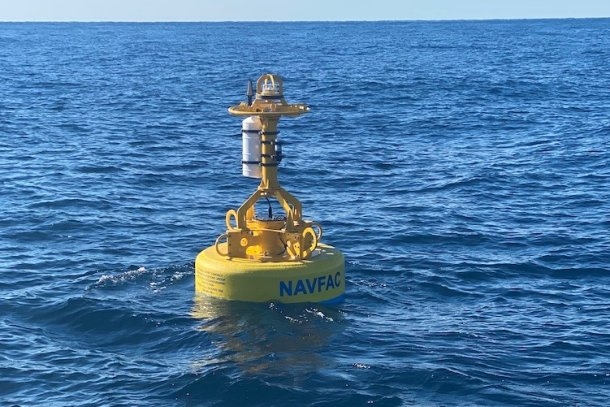
New acoustic monitoring buoy helps researchers study and protect North Atlantic Right Whales
January 19, 2021
A new buoy to listen for protected whales.
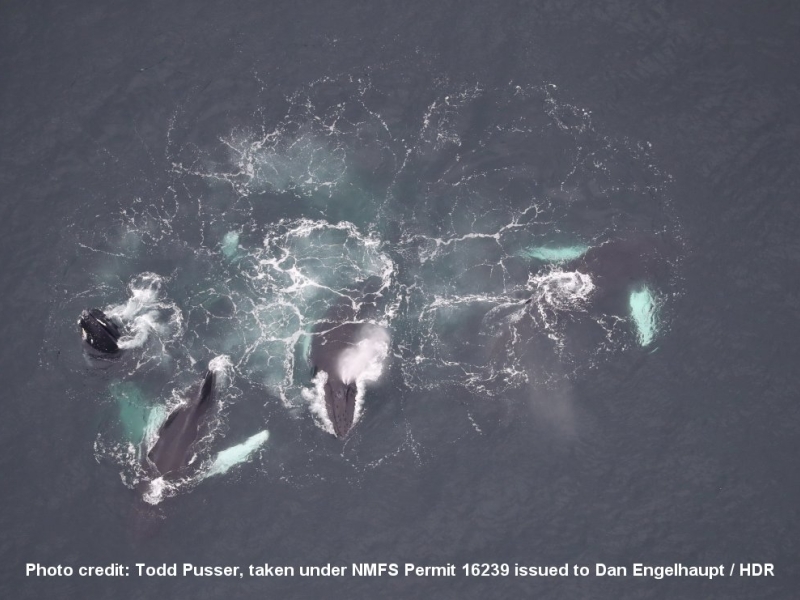
Blue whales and sei whales and right whales - OH MY!!!
April 18, 2018
A spring aggregation of endangered whales offshore.
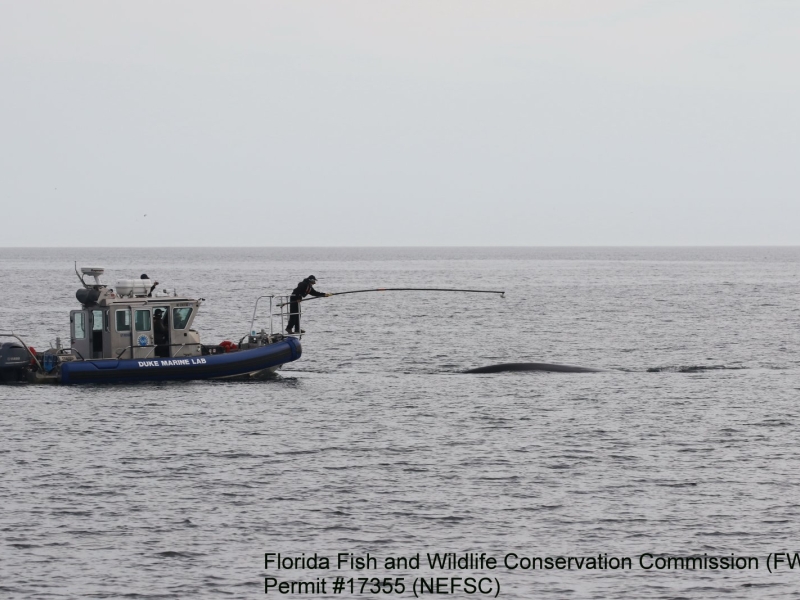
Tagging North Atlantic Right Whales
May 9, 2016
Southeast US tagging project has successful season.
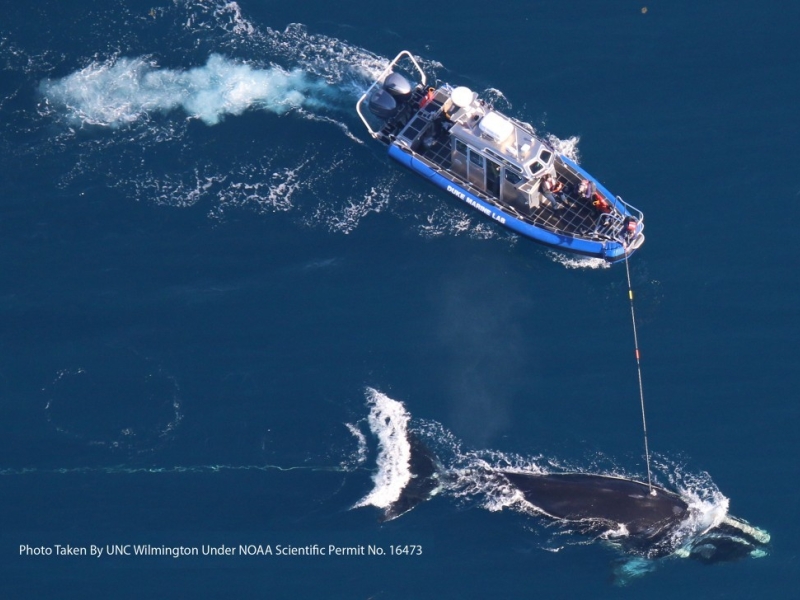
North Atlantic Right Whale Disentanglement
March 3, 2014
Our team provided assistance to a disentanglement effort.
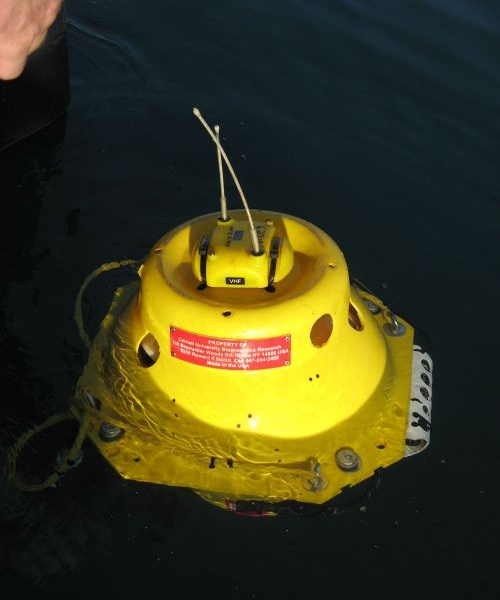
Passive acoustic monitoring for right whales off Cape Hatteras
October 21, 2013
MARUs off NC